
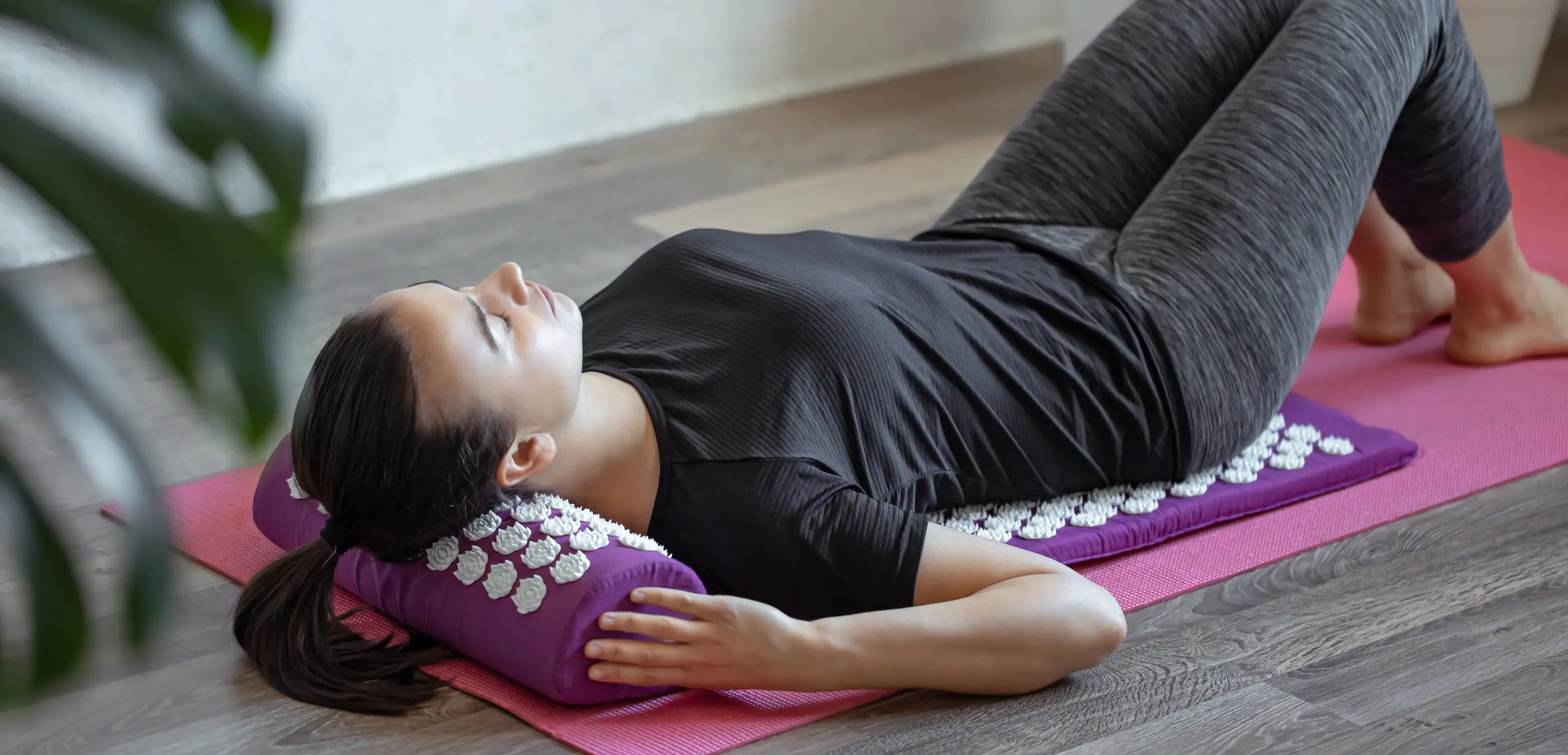
Acupressure mats are now trending in popular healthcare. At Long Island Spine Rehabilitation Medicine, we are always interested in new tools to provide our patients with relief from aches and pains, particularly ones that can be used at home. While the results of research on acupressure mats so far are largely positive, it has been limited to small studies. Nonetheless, anecdotal evidence suggests that using an acupressure mat can provide multiple benefits.
Our physiatrists, who specialize in pain relief and restoration of function, are always open to new ideas in holistic medicine. Since we routinely administer acupuncture to accelerate the healing of musculoskeletal disorders, we are intrigued by acupressure mats and eager to see their efficacy more thoroughly tested.
What Are Acupressure Mats and What Are They Designed to Do?
The idea of acupressure mats, like acupressure itself, is based on acupuncture, a medical technique that has been used successfully in many parts of the world for over 3,000 years. Acupressure, like acupuncture, is rooted in the concept of Qi, the energy source that flows along pathways throughout the body. When these pathways (meridians) become blocked, pain and illness result. Therefore, by applying pressure to carefully charted trigger points along those meridians, we can restore a healthy flow and relieve pain and illness.
Acupressure mats are constructed with small plastic “spikes” that will press into the skin to stimulate the designated acupoints. By sitting, lying, or standing on an acupressure mat, the individual experiences therapy that mimics an acupuncture or acupressure treatment administered by a trained professional. As such, it may duplicate the therapeutic effects of such a treatment.
How Long Should You Use an Acupressure Mat?
Acupressure treatments typically last one to five minutes per acupoint, delivered three to seven times weekly for three to four weeks.
When starting out, beginners should begin with shorter sessions of approximately 10–15 minutes to allow their body to acclimatize to the sensation. This gradual approach helps prevent skin irritation and allows users to gauge their tolerance levels.
As your body adjusts to the sensation over the course of one to two weeks, you can progressively increase your session’s length. Regular users typically find that lying on the mat for 20–30 minutes provides the greatest therapeutic benefits.
How Often Can You Use an Acupressure Mat?
Studies suggest that standardized acupressure protocols delivered three to seven times weekly for three to four weeks provide optimal therapeutic benefits.
You can typically engage in shorter sessions of 15–20 minutes once or twice daily, while you should limit longer sessions to once daily to prevent skin irritation.
Take periodic breaks from regular use to allow your skin to recover—while the research shows promising results for acupressure therapy, individual responses may vary.
Possible Benefits of Using an Acupressure Mat
Although not yet scientifically proven on a large scale, many individuals report, and many small studies point to, the benefits of using acupressure mats. These include:
- Easing muscle tension and promoting relaxation
- Relieving chronic neck, foot, and back pain
- Alleviating chronic headaches
- Boosting energy levels
- Reducing menstrual pain
- Lessing depression, anxiety, and stress
Despite these reported positive outcomes, in several studies blood pressure, pulse rates, and cortisol levels (that measure stress responses) remained the same, indicating the need for definitive studies on larger groups.
Acupressure Mats Are Not for Everyone
Because acupressure mats take a bit of getting used to, you wear thin clothing during early usage until you become acclimated to the sensation of the points against your skin. Within a short time, discomfort is replaced by warmth and revitalization. However, some people should avoid using acupressure mats altogether, including those with:
- Thin skin
- Diabetes
- Open wounds
- Bleeding disorders
- Poor circulation
Importantly, individuals who are pregnant or have heart disease, cancer, or arthritis to speak to their doctors before trying acupressure mats.
What Potential Complications Should You Watch For?
The most commonly reported adverse events from acupressure mats include pain or discomfort resulting from bruising, swelling, and tenderness at pressure points, particularly if applied too tightly.
Skin irritation can also result from improper cleaning of the device or from prolonged pressure contact. Studies on acupuncture-related adverse effects show that similar pressure-based therapies can cause temporary skin reactions, including redness, minor bleeding, bruising, and allergic reactions to device materials.
Most adverse events resolve themselves without additional treatment. However, monitor your skin for signs of excessive pressure application, including persistent bruising or skin discoloration. Discontinue use of your acupressure mat immediately if you experience severe discomfort, rapid heartbeat, or persistent adverse reactions.
Which Areas of the Body Should You Avoid?
Do not apply acupressure to areas with bruises, scars, or open wounds. Also avoid applying pressure over areas with poor blood supply, skin numbness, or recent trauma.
Additionally, individuals with diabetes—who may have compromised circulation—should avoid acupressure on skin that has reduced sensation. Pay special attention to your neck, as this region contains significant blood vessels and sensitive acupoints. Also, try to avoid pressuring major vascular structures as well as areas with conspicuous skin changes.
Who Should Avoid Acupressure Mats Completely?
If you have a blood-related disorder such as hemophilia, or if you take anticoagulants such as warfarin, exercise extreme caution. The mechanical pressure from mats presents a risk for bleeding complications.
Certain acupoints may affect uterine activity, so if you are pregnant, avoid certain pressure points.
If you have severe skin sensitivity, active dermatological conditions, or compromised skin integrity, avoid acupressure mats. The pressure stimulation may exacerbate your inflammatory skin conditions.
How Do You Properly Clean and Maintain Your Acupressure Mat?
Since the mat comes into direct contact with your skin, it can accumulate sweat, dead skin cells, and bacteria over time. Clean the mat regularly to help maintain your hygiene and ensure the mat remains effective for relaxation and pain relief.
If you use the mat daily, consider a light cleaning once a week and a deep cleaning every month. For less frequent use, a monthly wipe-down could suffice.
For regular maintenance, shake the mat to remove dust and debris, then use a damp cloth with mild soap and water to wipe down the surface. A soft brush can help remove stubborn dirt if necessary. Always allow the mat to air dry completely before the next use.
For deep cleaning, remove any foam insert if your mat has one before washing. Fill a bathtub or basin with lukewarm water and mild detergent, then submerge the mat and gently hand wash.
Avoid wringing or twisting the mat to dry it, as this action may damage the fabric. Instead, gently squeeze excess water out and lay the mat flat or hang it in a well-ventilated area to air dry completely. Keep in mild conditions to avoid altering the plastic spikes.
The Takeaway
Acupressure mats are a promising innovation in complementary medicine. Except for individuals in the categories mentioned in the last section of our blog, trying one out may be a good idea since they are relatively inexpensive and, in most cases, do not seem to have adverse side effects. If you are experiencing intense pain or have a chronic condition unresponsive to previous treatments, contact Long Island Spine Rehabilitation Medicine to discuss other options.