
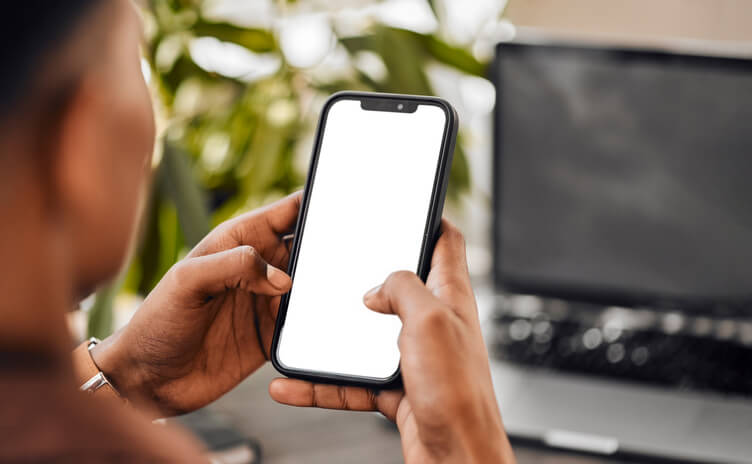
If you’re one of the many who have sent a text you regret or butt dialed your boss at an inopportune moment, you know how capable of causing pain a smartphone can be. However, shame and embarrassment are not the only pain these devices might deliver.
A recent survey showed that the average American spends five hours and 16 minutes daily on their phones. Pretty often, that extended time is spent in awkward positions, whether it’s with the neck craned into an odd position, shoulders slumped, or arm and hand contorted. This creates undue stress on our joints, muscles, and nerves, which can ultimately lead to various injuries.
Understanding these different injuries, how they happen, and the treatment options available to you can help you protect yourself while using your smartphone.
Common Smartphone-Related Injuries
Smartphone use is associated with several overuse injuries. Although the following are not officially-named medical conditions, they’re becoming more and more common as smartphones become evermore ubiquitous:
- Text Neck: Holding your phone at the level of your waist or chest while using it for extended periods can put strain on your neck. This can lead to neck and shoulder pain, stiffness, and even bad posture.
- Text Claw: Gripping your phone for long periods can result in aching, cramping, numbness, and tingling in the fingers, hands, and wrists. Unaddressed text claw can eventually lead to tendonitis or trigger finger.
- Smartphone Pinky: This is an indentation in the pinky finger caused by constantly supporting the weight of your phone with it.
- Smartphone Elbow: Also known as cubital tunnel syndrome, or tennis elbow, this condition is caused by bending the arm for extended periods. The bending position compresses the nerve, leading to numbness, tingling, and aching in the forearm and hand.
- Texting Thumb: A repetitive use injury impacting the thumb and wrist that can sometimes occur due to excessive smartphone use. Symptoms include pain and stiffness.
The Long-Term Effects of Smartphone Overuse
Smartphone-related injuries may be temporary initially, but the persistent poor posture and repetitive motions that cause them can have long-term, permanent impacts.
For example, poor posture accelerates wear and tear on the discs in your cervical spine, which can lead to serious back issues. Conditions like cubital tunnel syndrome (smartphone elbow) can also cause lasting numbness or weakness in the hands and arms if left untreated.
Preventive Measures and Treatments for Smartphone-Related Injuries
To mitigate the risk of smartphone-related injuries, take these actions:
- Maintain Proper Posture: It’s common for people to sit in awkward positions and damage their posture when using smartphones. Be sure to keep your head aligned with your spine and avoid slouching.
- Limit Screen Time: Sometimes the simplest answer is the most effective: take regular breaks from smartphone use to reduce strain on your muscles, joints, and mind.
- Use Ergonomic Devices: Consider using stands or holders to keep your phone at eye level, and a phone grip to reduce strain on your hands and wrists.
At Long Island Spine Rehabilitation Medicine, we can address your smartphone-related injuries with comprehensive treatment plans. Your treatment might include:
- Stretching Exercises: Neck, upper back, chest, hand, and wrist stretches can ease tension, improve posture, and alleviate pain.
- Manual Therapy: Gentle massage, as well as soft tissue and joint mobilization, can help to relax tight muscles and improve circulation.
- Posture Correction: We teach patients how to maintain healthy posture and how that relates to smartphone use. This can reduce or eliminate symptoms of text neck.
Contact Long Island Spine Rehabilitation Medicine
Minor smartphone-related injuries can develop into more serious issues if left untreated. The team at LI Spine Rehabilitation Medicine can address your discomfort now and help you avoid further strain on your neck, shoulders, hands, and wrists. Contact us today to learn more.